
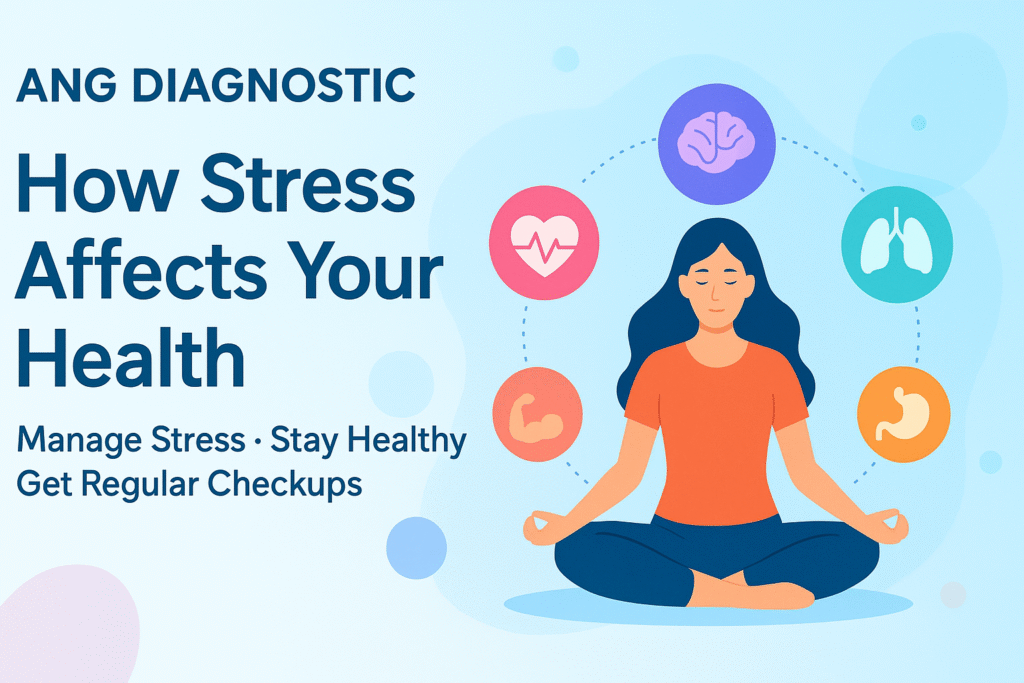
How Stress Impacts Your Health
Stress has become a regular part of our daily life in today’s hurried life. It could be either due to work, family, or money woes, stress if continued for a long time can result in severe impacts on both mind and body. Knowing how stress impacts your health is the initial step towards effectively managing it.
What Is Stress?
Stress is the body’s automatic response to any demand or challenge. When you are in a challenging situation, your body produces hormones such as adrenaline and cortisol, getting you ready to respond immediately — this is known as the “fight or flight” response.
Short-Term vs Long-Term Stress
Short-term stress can keep you alert and motivated.
Chronic (long-term) stress, on the other hand, can damage your body and contribute to many health issues like high blood pressure, heart disease, and anxiety.
The Hidden Effects of Stress on the Body
Stress doesn’t only impact your mood — it can affect almost every system in your body. Let’s see how it affects various organs and systems.
1. Stress and Your Heart
When stressed, your blood pressure and heart rate rise. Chronic stress may:
Increase the risk of stroke or heart attack
Result in abnormal heartbeat
Result in high blood pressure (hypertension)
Regular medical checkups like ECG, Lipid Profile, and Blood Pressure Monitoring will assist you in identifying early heart strain signs.
2. Stress and the Immune System
Your immune system guards you against infection. However, when you are persistently stressed, your body releases too much cortisol, which weakens immune function.
This causes you to:
Be more susceptible to recurrent colds or infections
Take longer to recover from injuries
Be more susceptible to chronic inflammation
A Complete Blood Count (CBC) and Vitamin D test will determine the levels of your immunity.
3. Stress and the Digestive System
Stress can upset your stomach and digestion process. It can lead to:
Acidity or heartburn
Irritable bowel syndrome (IBS)
Loss of appetite or overeating
A healthy diet and regular exercise schedule keep such symptoms at bay.
4. Stress and Hormonal Balance
Chronic stress can upset your hormone levels, particularly cortisol and adrenaline.
In women, stress might result in irregular periods, PCOD, or infertility.
In men, it can result in low testosterone and lower fertility.
Thyroid and hormone checks at regular intervals are advised to ensure hormonal balance.
5. Mental Well-being and Stress
One of the most apparent consequences of stress is upon your mental health.
Symptoms are:
Panic attacks and anxiety
Depression or mood swings
Insomnia (sleep issues)
If these symptoms occur often, talk to a mental well-being professional. Mental well-being is as critical as physical health.
How to Manage Stress Effectively
Stress management is not about avoiding problems — it’s about being resilient and taking care of your health.
1. Practice Relaxation Techniques
Exercise routines such as deep breathing, meditation, and yoga calm your mind and reduce stress hormone levels. It takes just 10–15 minutes a day to have a significant impact.
2. Lead a Healthy Lifestyle
Consume a balanced diet of fruits, vegetables, and whole grains.
Regular exercise (even a 30-minute walk).
7–8 hours of quality sleep every night.
3. Stay Connected
Speak to friends or family members. Sharing your concerns can alleviate emotional pressure. Social support is among the most effective solutions against stress.
4. Get Regular Health Checkups
Routine diagnostic investigations keep you informed about the condition of your body and identify any stress-induced effect in the early stages.
Tests to Be Taken:
Full Body Checkup
Lipid Profile (for cardiovascular health)
Thyroid Function Test (T3, T4, TSH)
Blood Sugar Test (FBS, HBA1C)
Vitamin D and B12 Tests
You can also consider a Preventive Health Package like:
Complete Blood Count (CBC)
Erythrocyte Sedimentation Rate (ESR)
Blood Sugar – Fasting (FBS)
HbA1c (Average Blood Sugar)
Lipid Profile (Cholesterol, HDL, LDL, Triglycerides)
Liver Function Test (LFT)
Kidney Function Test (KFT)
Thyroid Profile (T3, T4, TSH)
Urine Routine Examination
Vitamin D (25 Hydroxy)
Vitamin B12
Swasth Bharat 2, 3, 4, or 5 Packages – designed to check all key parameters of your health and provide complete reports.
These checkups come in the form of packages that involve tests for heart, liver, kidney, thyroid, and diabetes — aiding you in identifying the effects of stress on your overall well-being.
Conclusion
Stress is inevitable, but it doesn’t have to run your life. By learning what stress does to your health and playing it safe with regular checkups, healthy eating, and living in the moment, you can live a healthier, happier life.
Remember — your mental peace is as vital as your physical well-being.
Take a step towards a stress-free life today with a full health checkup at your closest diagnostic center.